Mamata Banerjee’s party faces an uncertain future after a historic split
Can TMC survive its biggest crisis as Mamata Banerjee faces a major rebellion?
- By Gurmehar --
- Friday, 05 Jun, 2026
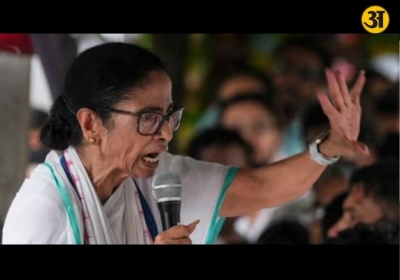
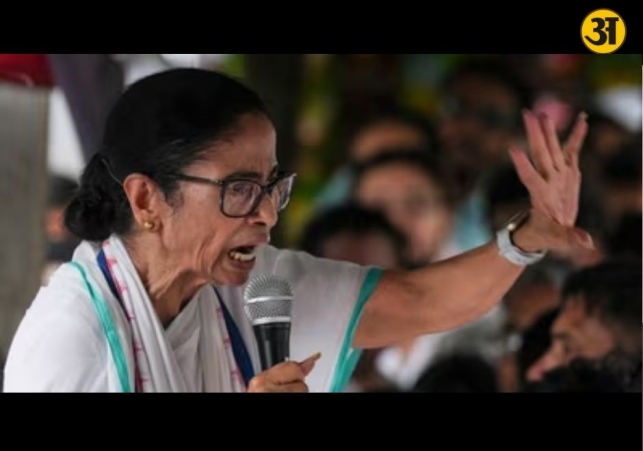
The Trinamool Congress (TMC), one of India's most powerful regional political parties, is facing the biggest crisis in its 28-year history. For the first time since the party was founded by Mamata Banerjee in 1998, her leadership is being openly challenged from within. What started as a rebellion by a group of MLAs in the West Bengal Assembly has now become a much larger political battle that could affect the party’s future in the state and even in Parliament.
For nearly three decades, the TMC was built around the leadership of Mamata Banerjee. She was not only the founder of the party but also its strongest face and biggest vote-puller. Many supporters believed that Mamata Banerjee and the TMC were inseparable. However, recent developments have raised serious questions about whether the party can remain united if her authority is weakened.
The crisis began shortly after the TMC lost power in West Bengal. A group of 58 rebel MLAs broke away from the party and took control of the legislature wing. This was the first formal split in the party’s history and came as a major shock to the leadership. The rebel camp was led by former party leader Ritabrata Banerjee, who was later recognised as the Leader of Opposition in the state assembly.
The rebels crossed the two-thirds mark required under anti-defection laws, allowing them to seek recognition as a separate group. Their move created a major political challenge for Mamata Banerjee and her party.
A growing battle inside the party
The rebellion is not just about a few MLAs leaving the party. It has opened up deeper questions about leadership, succession and the future direction of the TMC.
Interestingly, many of the rebels have not directly criticised Mamata Banerjee. Instead, they have expressed concerns about the growing influence of her nephew, Abhishek Banerjee, who is widely seen as her political successor. Several leaders believe that decision-making within the party has become concentrated in a small group of people, creating dissatisfaction among senior members.
The party leadership reacted quickly after the split. Organisational committees and several party wings across West Bengal were dissolved in an effort to regain control and stop further damage. However, political observers believe the challenge is much bigger than an internal reshuffle.
Over the past few months, signs of unrest had already become visible. Several senior leaders publicly expressed concerns about the party’s functioning after its election defeat.
Veteran MP Kakoli Ghosh Dastidar resigned from important organisational posts and openly questioned certain decisions taken by the leadership. She also became involved in a public dispute with another TMC MP, highlighting tensions within the party.
Rajya Sabha MP Sukhendu Sekhar Roy emerged as one of the strongest internal critics. He raised questions about internal democracy, decision-making and what he described as growing organisational problems. Roy even warned that the party could face serious difficulties if it failed to address these concerns.
Former national spokesperson Shantanu Sen also stepped down from his position, while several other leaders appeared to distance themselves from party activities after the election loss.
Actor-turned-politician and MP Deepak Adhikari, popularly known as Dev, added to the speculation by making remarks that some observers viewed as signs of changing political attitudes within the party.
Together, these developments have created an impression that dissatisfaction within the TMC extends beyond the assembly and could affect its parliamentary wing as well.
ALSO READ: Canada’s economy slows as immigration falls, says Prime Minister Mark Carney
The challenge beyond West Bengal
While the immediate impact of the rebellion is being felt in West Bengal, many party leaders are worried about what could happen in Parliament.
The TMC remains one of the largest opposition parties in the country, with a significant number of MPs in both the Lok Sabha and Rajya Sabha. If divisions within the party continue to grow, its influence at the national level could weaken considerably.
Senior leaders have admitted that their biggest concern is preventing the assembly rebellion from inspiring similar moves among MPs. Although there is no organised revolt in Parliament at present, fears of further defections remain.
The situation has drawn comparisons with political splits seen in Maharashtra, where factions led by Eknath Shinde and Ajit Pawar challenged established party leaderships. In those cases, disputes eventually extended to questions about party identity and election symbols.
A similar battle could emerge in West Bengal. The rebel faction has already claimed that it represents the “real TMC.” If the dispute reaches the Election Commission, a legal battle over the party’s famous “Jora Ghas Phul” (Flower and Grass) symbol could follow.
The symbol holds enormous emotional value for TMC supporters. It represents the movement that ended the Left Front’s 34-year rule in West Bengal and brought Mamata Banerjee to power in 2011. Losing control of the symbol would be a major setback for either faction.
Political analysts also believe the crisis could change opposition politics at the national level. Some experts suggest that the TMC may need closer cooperation with the Congress party despite decades of political rivalry. Such an alliance was once considered unlikely, but changing political circumstances may force new strategies.
Despite the challenges, many TMC leaders remain confident. They point out that Mamata Banerjee has overcome political setbacks before. In 2004, the party was reduced to just one Lok Sabha seat, yet it later staged a remarkable comeback and eventually formed the government in West Bengal.
However, analysts argue that the current situation is very different. This time, the party is dealing with organisational fatigue, leadership questions and internal divisions after spending 15 years in power.
The coming months are likely to determine whether the TMC can recover from this crisis or whether the rebellion marks the beginning of a major transformation in West Bengal politics. For Mamata Banerjee, the challenge is no longer only about winning elections. It is about keeping her party united and protecting the political legacy she built over nearly three decades.
Related News